

Tilework (Azulejos)
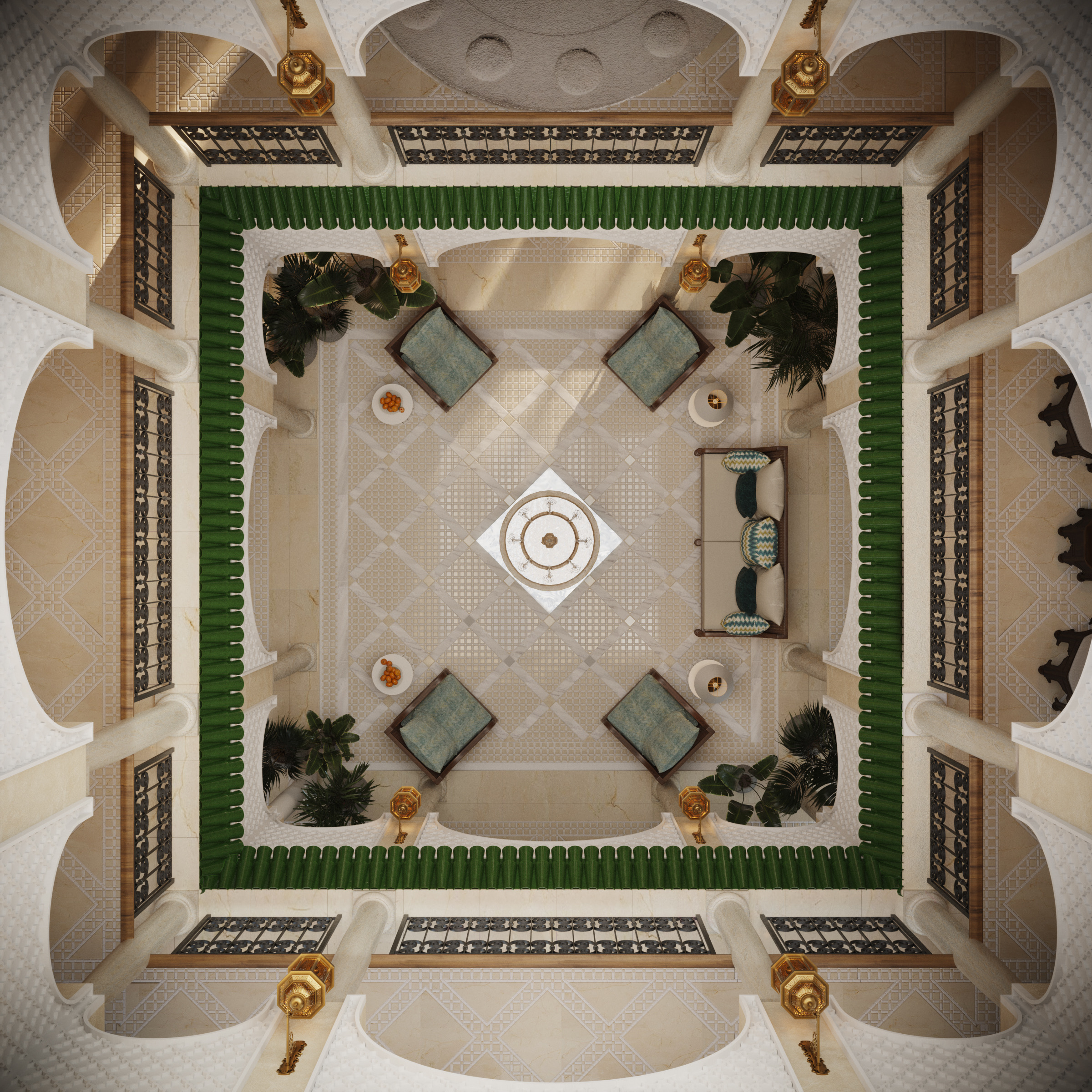
Tiles are integral to Andalusian design. The vibrant colors and intricate patterns of azulejos are used to decorate floors, walls, and even ceilings. These tiles often feature geometric designs, reflecting the Islamic art influence of Moorish descent.
Stucco & Plasterwork
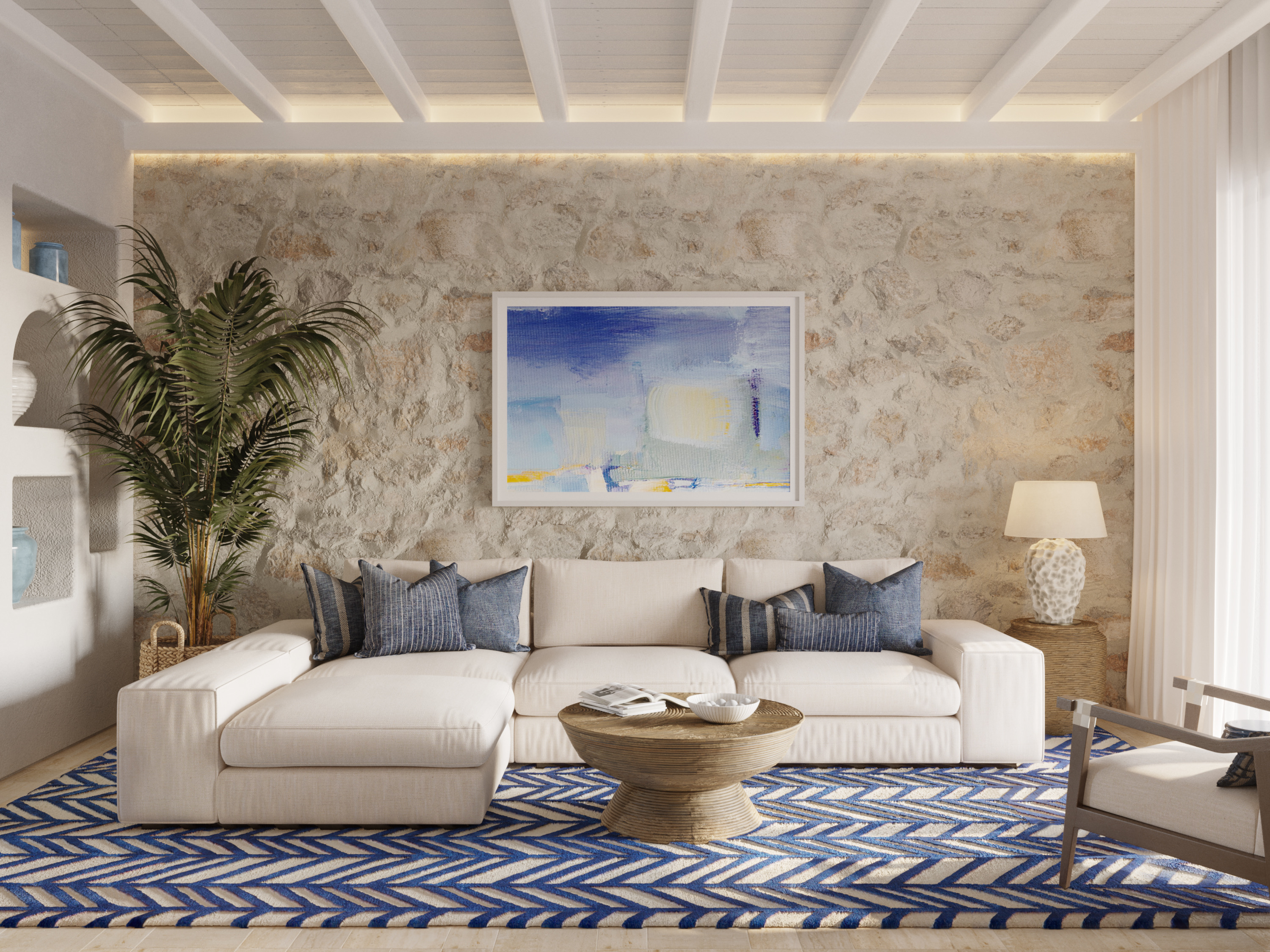
Decorative stucco work is another key feature. This technique involves carving intricate designs into wet plaster, which then hardens to create detailed patterns and motifs. This method is used extensively in the Alhambra and other Moorish structures.
Carpentry
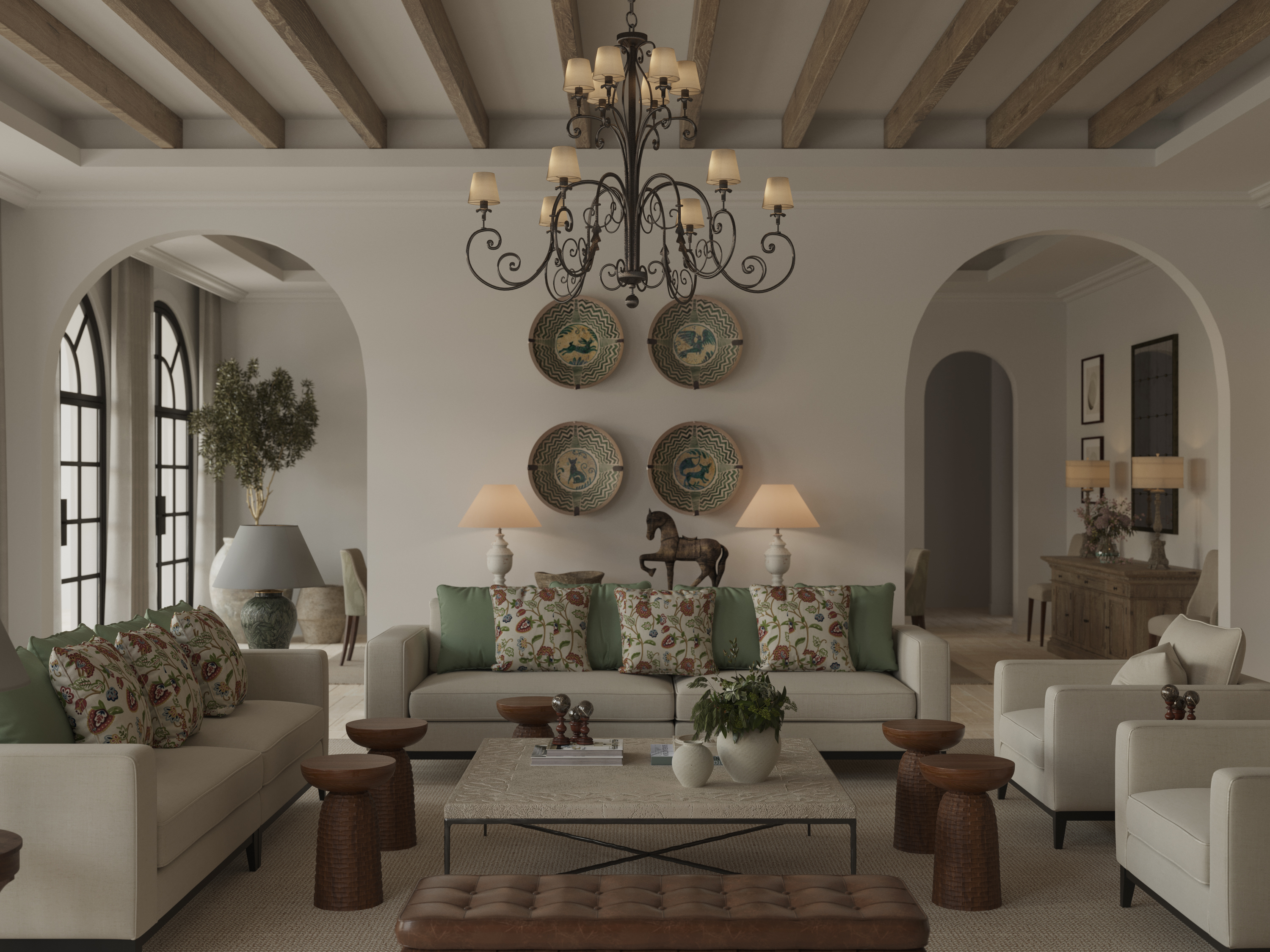
Elaborate wooden ceilings and doors are also characteristic of Andalusian architecture. Carved wooden beams, known as artesonado, often feature intricate designs and add warmth to interior spaces.
Arches & Doorways
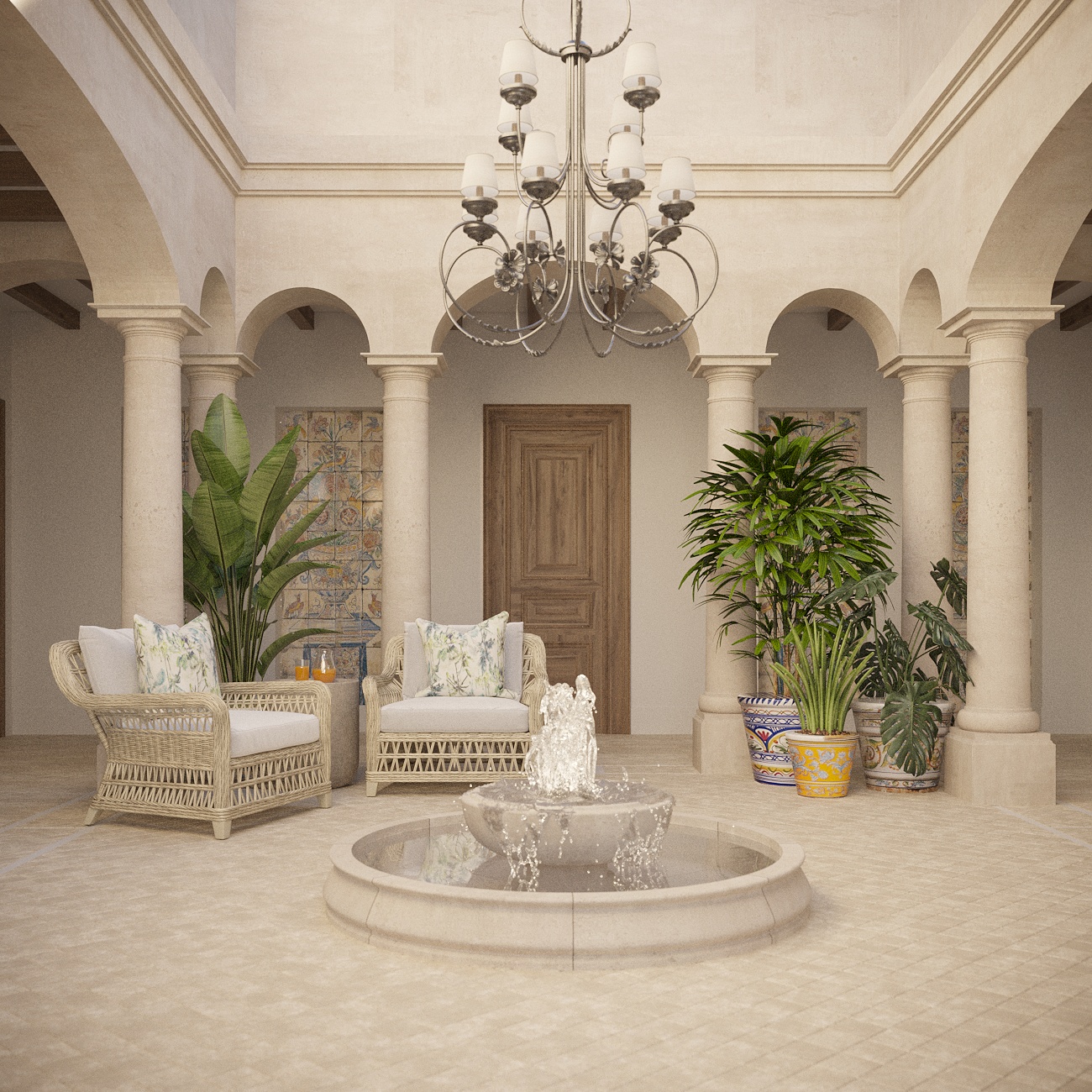
The use of arches is a hallmark of Moorish architecture. Horseshoe arches, keyhole arches, and scalloped arches are commonly found in Andalusian buildings. These arches are not only structurally significant but also add an element of elegance and grandeur.
Patios & Courtyards
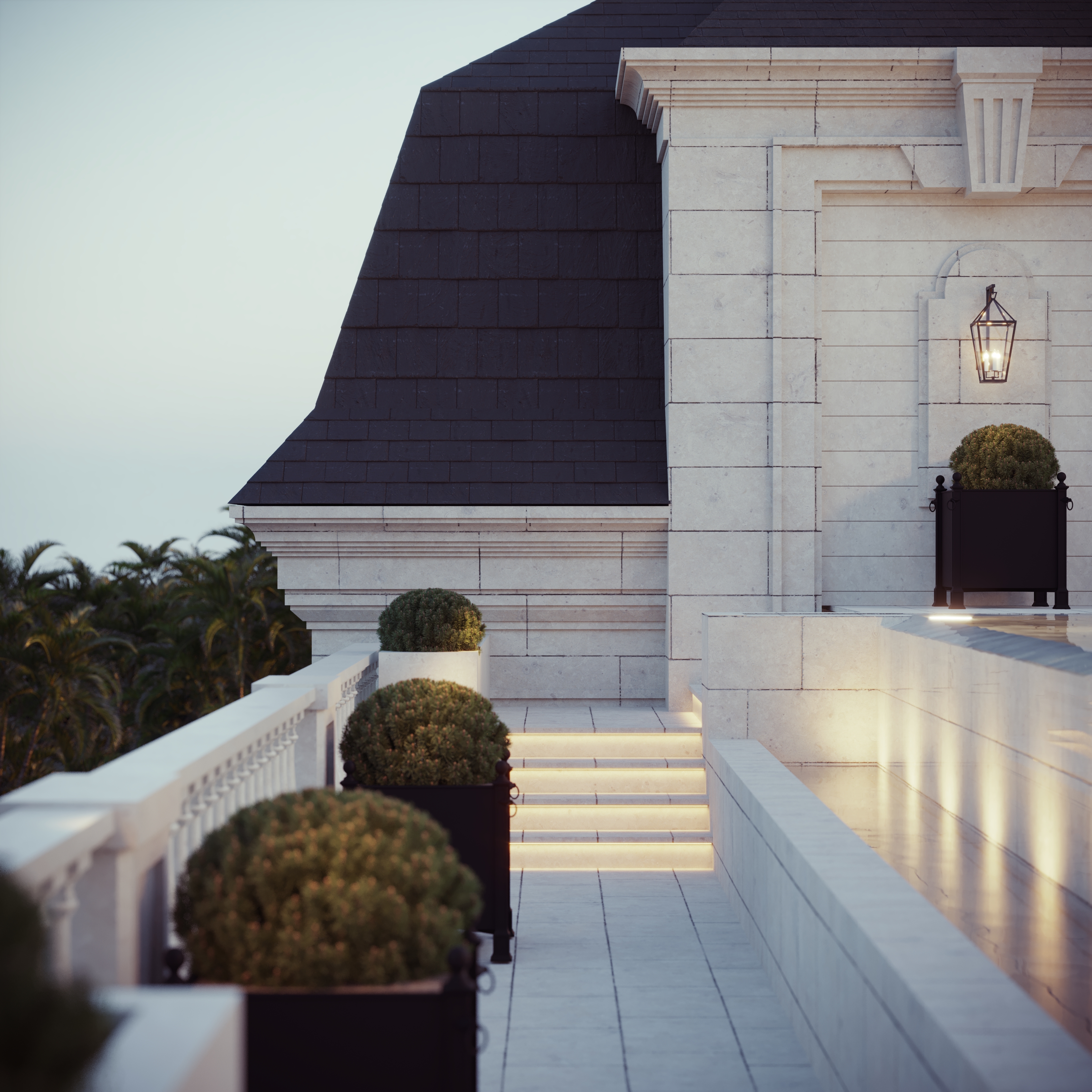
One of the most distinctive features of Andalusian architecture is the patio, a central courtyard that serves as the heart of the home. These spaces are designed to be both functional and beautiful, providing a private outdoor area that offers respite from the hot Andalusian sun that translate fabulously into the Middle East. Often, patios are adorned with fountains, lush plants, and decorative tiles, creating a serene oasis.
Water Features
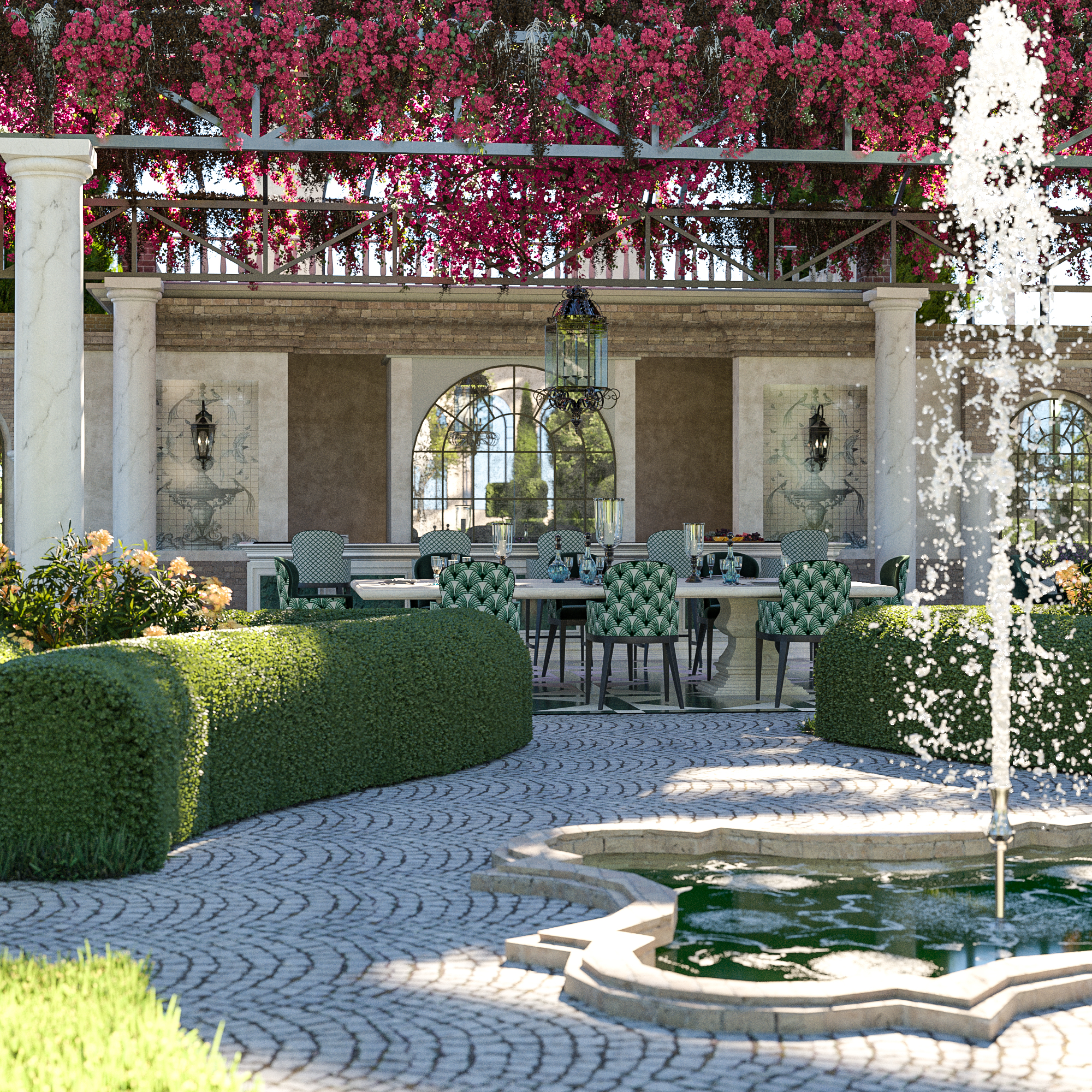
Central courtyards and water features are essential elements in both Andalusian & Middle Eastern styles. DME designs courtyards that combine the lush greenery of Andalusian patios with the tranquil water features of Middle Eastern gardens. Fountains, reflecting pools, and mosaic tiles create a serene and picturesque environment.
 Elegant European Interior Design